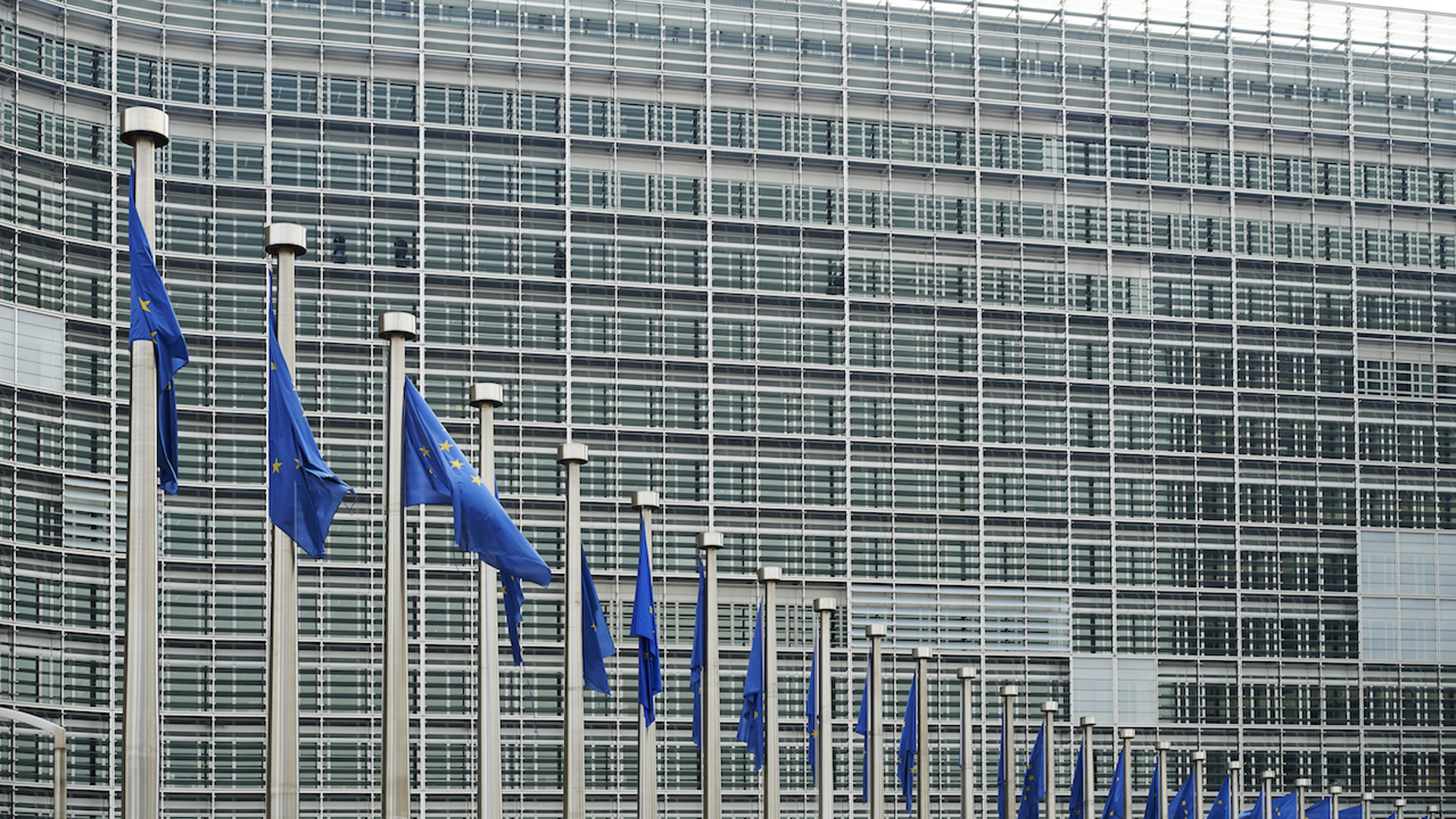
At the same time, industry association Insurance Europe (IE) warns in a statement published today that the EU plans only have a chance of success if the amount and complexity of rules is actually addressed. Insurers are among the largest institutional investors in Europe, with around €9.5 trillion in investments in equities and corporate and government bonds, of which around 70 per cent are in Europe. "That is precisely why they have an interest in a well-functioning European capital market," says IE. The insurance sector sees the Savings and Investment Union (SIU) as an important step to make it easier for savings and investments to find their way into companies and projects in Europe. But according to Insurance Europe, ambition alone is not enough: the EC must convert it into concrete measures, also at the national level. With less fragmentation and fewer differences between member states.
Simplification is crucial
Insurance Europe is urging EU leaders to create a 'real simplification agenda' for financial regulation. "The current amount and complexity of rules are holding back investments. New legislation piles up on existing rules that lead to unnecessary administrative burdens. As a result, insurers can invest their assets less efficiently," IE emphasises in the statement. At the same time, insurers emphasise that simplification should not lead to less consumer protection. Instead, it should provide clearer, more workable rules that support both investment and consumers. European insurers are therefore calling for:
- A 'Financial Services Omnibus' to streamline and simplify existing rules
- avoiding overlap and inconsistency between European legislation
- an approach in which the EC systematically tests new rules for feasibility and impact
- Fewer barriers to long-term investment
- sufficient investment opportunities within Europe
- strengthening investor confidence
According to IE, consistent and predictable supervision plays an important role in this. Without such steps, the capital markets union threatens to get bogged down in complexity, according to the insurance sector.
Dutch efforts join Insurance Europe's call
Minister Heinen's efforts are in line with this. The Netherlands has been advocating a stronger European capital market for some time and wants to reduce barriers to investing and investing within the EU, for example by harmonising rules and reducing administrative burdens. In doing so, the Netherlands supports the broader European agenda to make capital flows work better within the internal market.
Next step
Over the next two days, European heads of government will meet in Brussels to discuss how to strengthen Europe's competitiveness, resilience and strategic autonomy in the current global context. An important part is activating investments and simplifying existing rules. The political ambition for a stronger European capital market is growing, but the implementation is still in its infancy. In the coming period, it must become clear how the plans will take concrete shape to ensure that Europe's large investment potential is fully exploited.