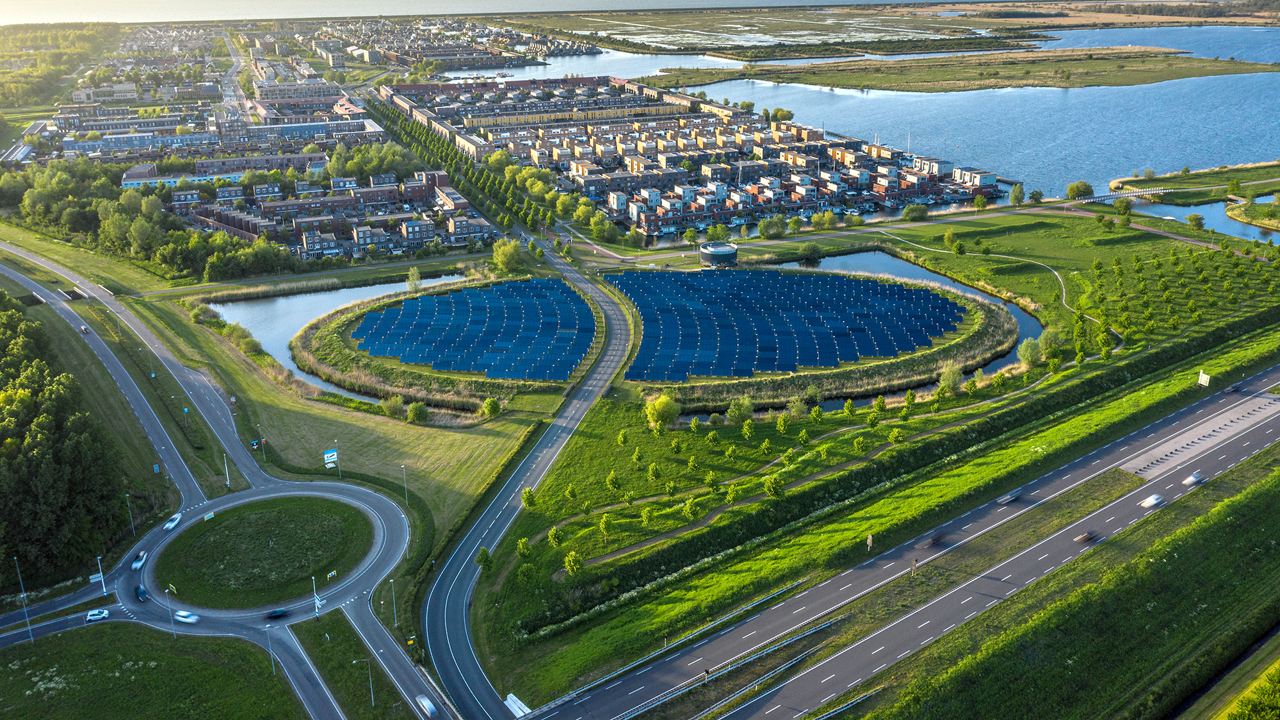
Insurers see the consequences of climate change on a daily basis: more and larger damages, resulting in a lot of suffering and uncertainty. That is why we use our knowledge of risks, investments and insurance solutions for a climate-proof Netherlands. Everyone should be able to participate in the transition to a sustainable society - even those who do not yet have the means to become more sustainable. In this way, we are building a future step by step in which the Netherlands remains safe and liveable, even below sea level.
Knowledge leads to new insights. So the Association develops and shares knowledge and expertise with, among others, KNMI and the Institute for Environmental Studies (VU). Prevention and awareness require a cross-sectoral approach.
We support you with practical tools and knowledge activities.
Topics that insurers are tackling in the field of sustainability are, for example, investment policy, energy transition, climate-proof living and sustainable damage repair.
Sustainable repair should become the norm when handling damage, rather than replacing. Schoonmakend Nederland, the NIVRE (Dutch Institute of Register Experts Foundation) and the Dutch Association of Insurers have drawn up a manifesto with principles for future damage repair. They want sustainable damage repair to become commonplace in the non-life market. The Sustainable Damage Repair Manifesto was signed during the Claims Afternoon 2023, which the Dutch Association of Insurers organises annually.
> Themapage Sustainable damage repair
> Lees hoe verschillende verzekeraars duurzaam schadeherstel aanpakken
Insurers together manage more than 400 billion euros in invested assets. Through the IRBC 2.0 process, the sector is working on responsible, sustainable investments to stimulate biodiversity and healthy food. In this way, insurers contribute to a more sustainable economy.
Nature is under pressure, while our economy is highly dependent on it. Loss of biodiversity can lead to risks such as crop failures, damage from extreme weather events and shortages of raw materials. These effects also affect insurers and their customers. That is why biodiversity is becoming increasingly important in the policy and practice of insurers. Read more on our page about biodiversity and insurance.
In line with the Paris Agreement and the Dutch Climate Agreement, the insurance sector is actively working on CO₂ reduction. Most insurers have mapped out the carbon footprint of their investments and have had concrete actionplans to reduce the impact since 2022.
For non-life insurers, the Association has drawn up a Guide to net zero strategy (in Dutch) : a practical tool for a transition path to net-zero for the non-life portfolio.
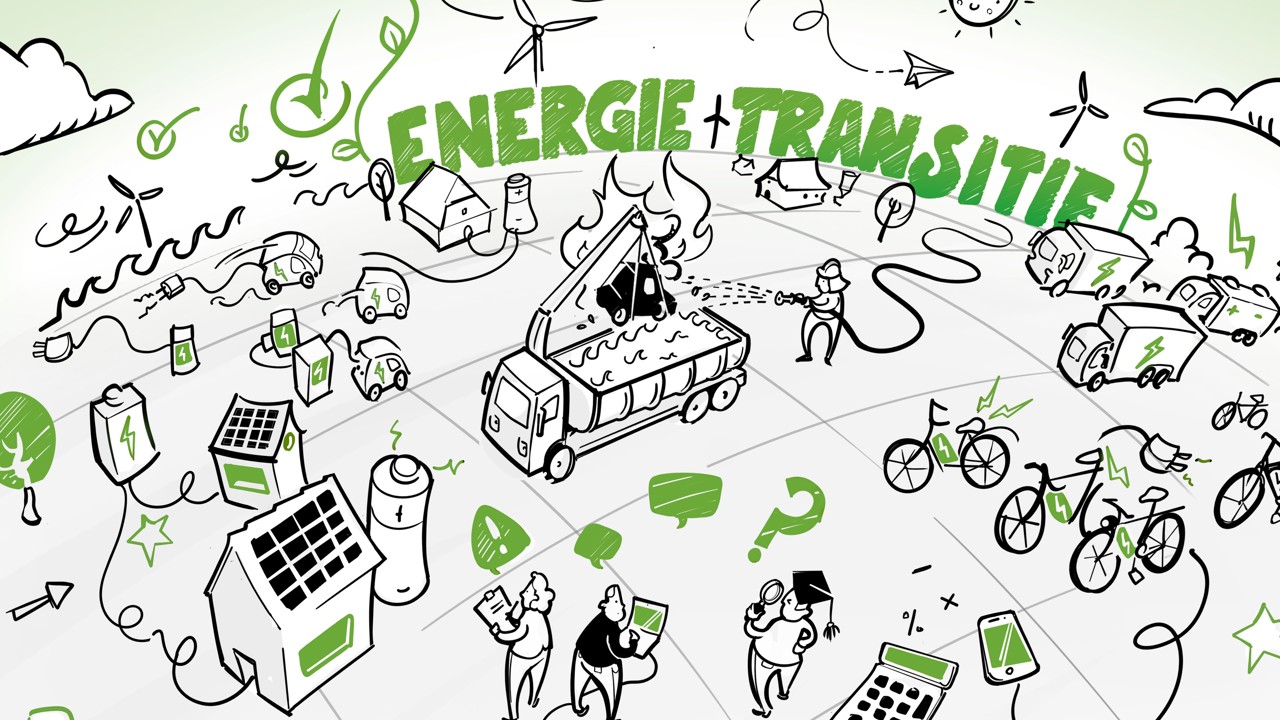
The transition to solar and wind energy, hydrogen and other clean energy sources is going fast. This offers new opportunities, but also brings new risks. That is why the Association is committed to a safe energy transition, in which sustainability and safety go hand in hand.